Water quality testing for a private water supply

Quantity first. Quality next. Then we design the system.

Finding water during drilling is only the beginning. Before specifying the permanent pump, storage, pressure equipment or treatment system, we need to understand how the borehole actually performs.

Pump testing helps establish the available water yield. Once the borehole has been tested, a water sample can be sent for laboratory analysis so the characteristics of the water are understood too.

Together, these two pieces of information help us design the next stage of your Hole to Tap system.

Pump testing a water borehole

Why pump testing matters

A borehole may contain water, but we still need to understand how much it can provide while water is being drawn from it.

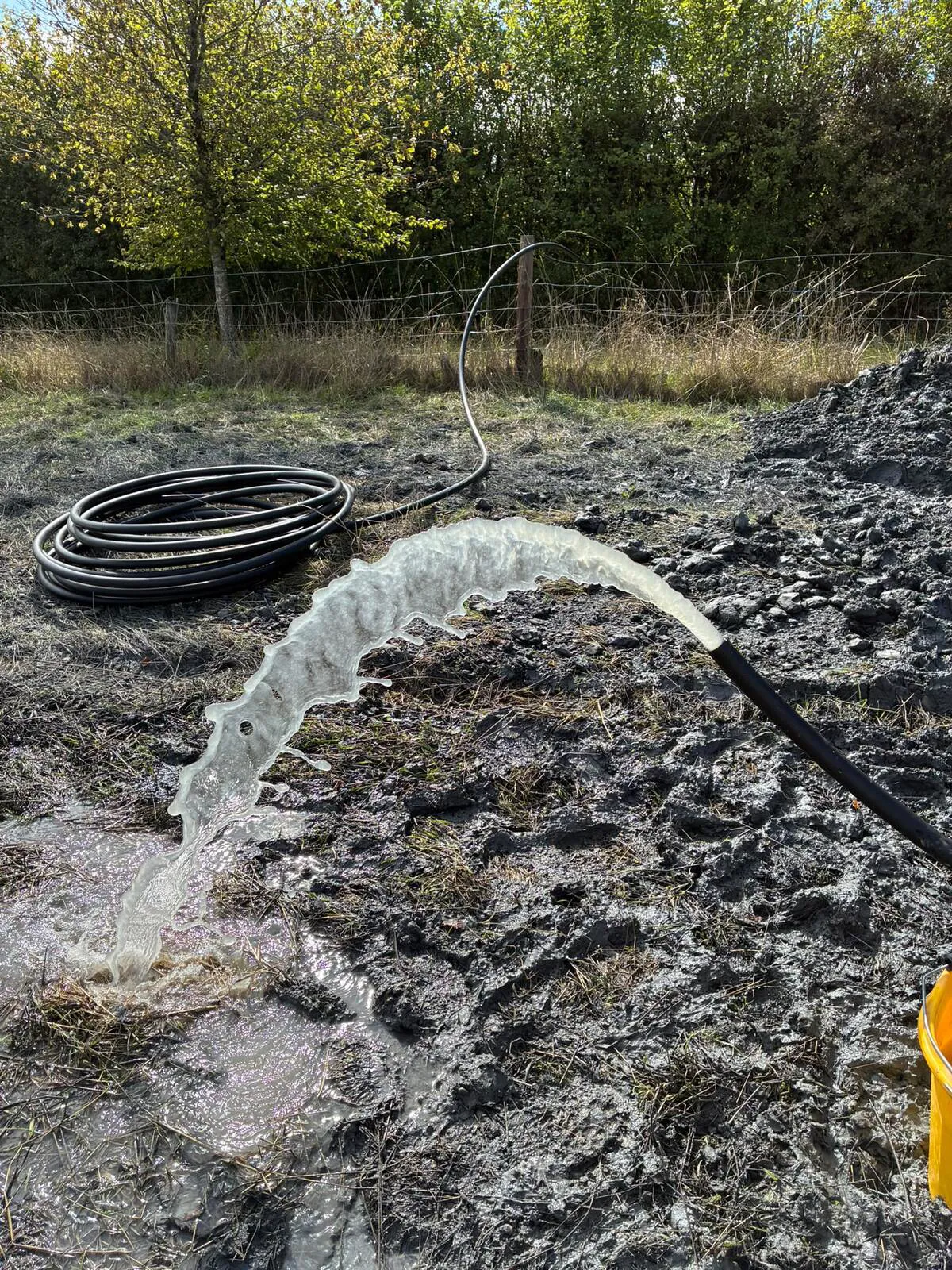
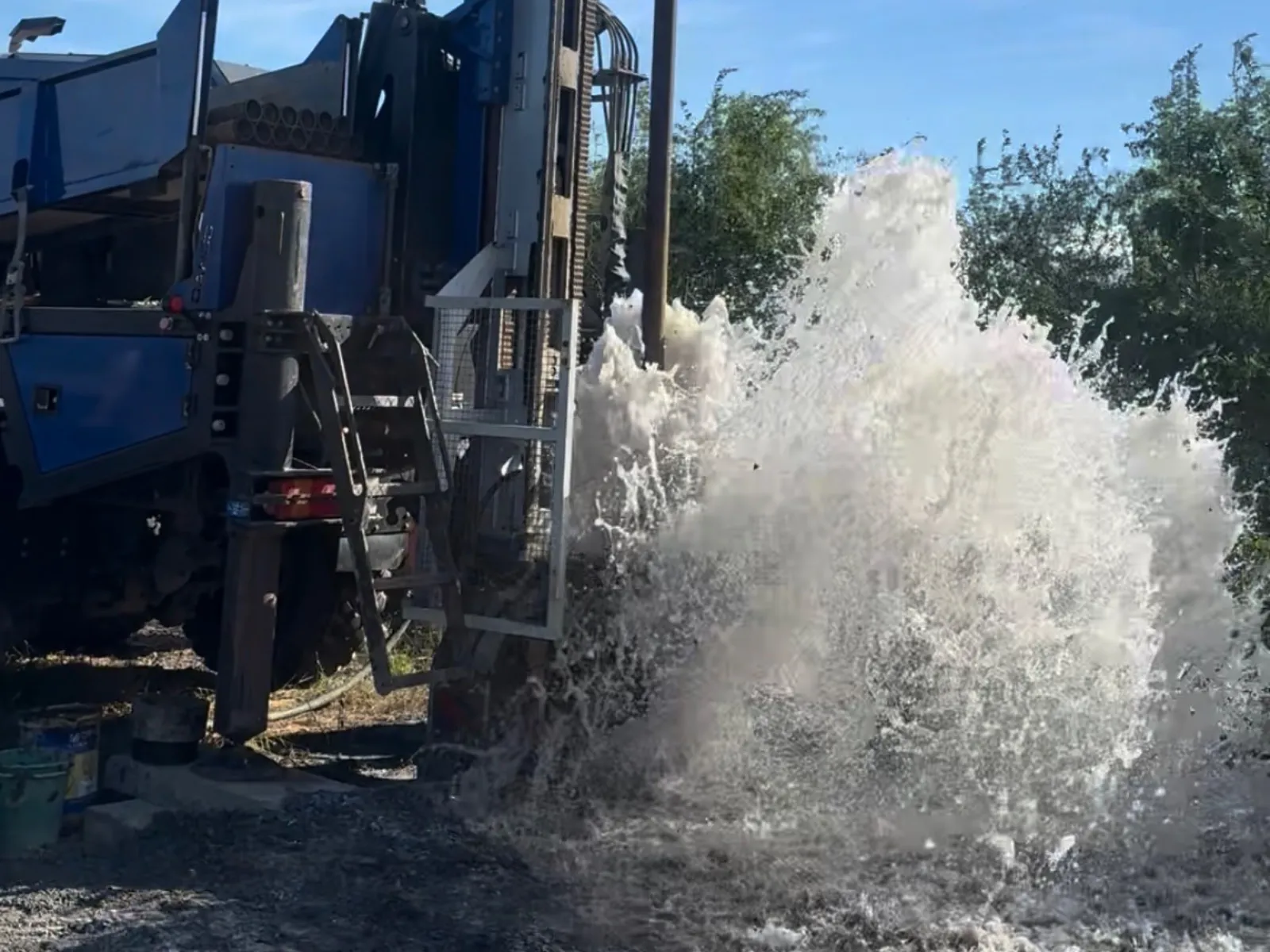
A temporary test pump is lowered into the borehole and operated at controlled flow rates. This allows us to assess how the borehole responds and establish the amount of water that can be sustainably abstracted.

This information is important because the permanent pump needs to work with the borehole rather than trying to draw more water than it can provide.

It also helps us understand whether storage or additional pumping equipment may be needed to meet the property's actual water demand.
Ask About Pump Testing

From pump test
to system design

Install The Test Pump

Install The Test Pump

Once drilling and borehole construction are complete, a temporary test pump is lowered into the borehole so its performance can be assessed.

Test Flow & Yield

Test Flow & Yield

Water is drawn from the borehole at controlled rates so we can see how it responds and understand the amount of water available while pumping.

Run & Clear The Borehole

Run & Clear The Borehole

The test continues for an appropriate period, which can vary according to the geology and borehole conditions. This also allows the water to clear before sampling.

Take The Water Sample

Take The Water Sample

After pump testing, a water sample is taken and sent for independent laboratory analysis so the characteristics of the groundwater can be understood.

Review The Results

Review The Results

The borehole performance and laboratory results are considered together before the permanent pump, pressure, storage and any treatment requirements are specified.

Design The Complete System

Design The Complete System

With water quantity and quality understood, we can design the complete system around how the property, farm or business needs to use the water.

Water borehole pump testing

How much water can the borehole provide?

The depth of a borehole does not tell us everything we need to know about its performance.

What matters to the finished water system is how the borehole responds while water is actually being pumped from it.

Pump testing helps us understand:

  • The available water yield
  • How the borehole responds during pumping
  • The flow the permanent pump needs to provide
  • Whether demand and borehole output are well matched
  • Whether water storage may be beneficial
  • How the wider pressure and distribution system should be designed

The goal is not simply to extract as much water as possible. It is to create a system that works with the borehole and meets the needs of the customer.

Pump Installation & Systems

What does pump testing help us understand?

Testing gives us practical information about the borehole before permanent equipment is selected.

Available Yield

We need to understand how much water the borehole can provide while pumping rather than relying only on what was seen during drilling.

Pump Specification

The permanent pump can then be selected around the actual performance of the borehole and the required water demand.

Private water system pump testing

Storage Requirements

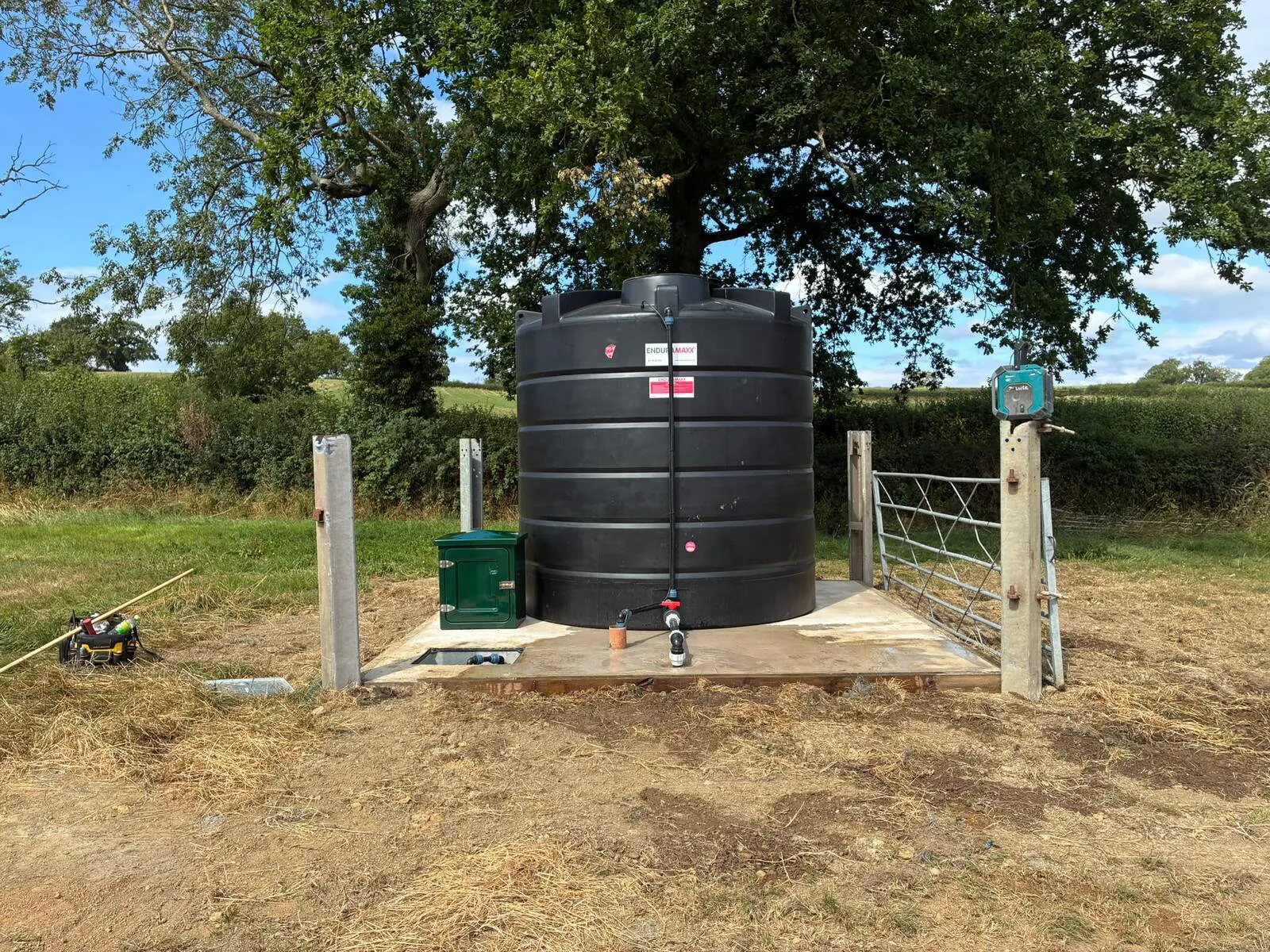
If water demand is higher than the rate at which the borehole should be pumped, storage can allow water to be collected and used when required.

System Design

Yield is considered alongside pressure, pipe runs, water use, treatment and future demand when designing the complete water system.

Laboratory water quality testing

Understanding your water quality

Clear-looking groundwater should not automatically be assumed to be suitable for every use.

After the pump test, a representative water sample can be sent for independent laboratory analysis. The results provide information about the characteristics of the groundwater and help establish whether treatment or filtration is needed.

A laboratory report can include measurements relating to areas such as:

  • pH
  • Water hardness
  • Iron and manganese
  • Minerals and dissolved substances
  • Other parameters included within the chosen test suite

The important point is that we do not start with a standard filtration package. Treatment is designed around the actual water analysis and what the water will be used for.

View Sample Water Report

Why test quantity and quality together?

A successful private water supply needs enough water for the job and the right system to manage its quality.

Specify The Pump

Pump testing provides the information needed to avoid simply guessing which permanent pump should be installed.

Plan Storage

Understanding available yield and peak demand helps establish whether water needs to be collected in storage before being distributed.

Design Treatment

Laboratory analysis allows filtration and treatment to be selected around the actual characteristics of the water.

Protect Performance

Considering quantity, pressure and treatment together helps prevent one part of the finished system creating problems elsewhere.

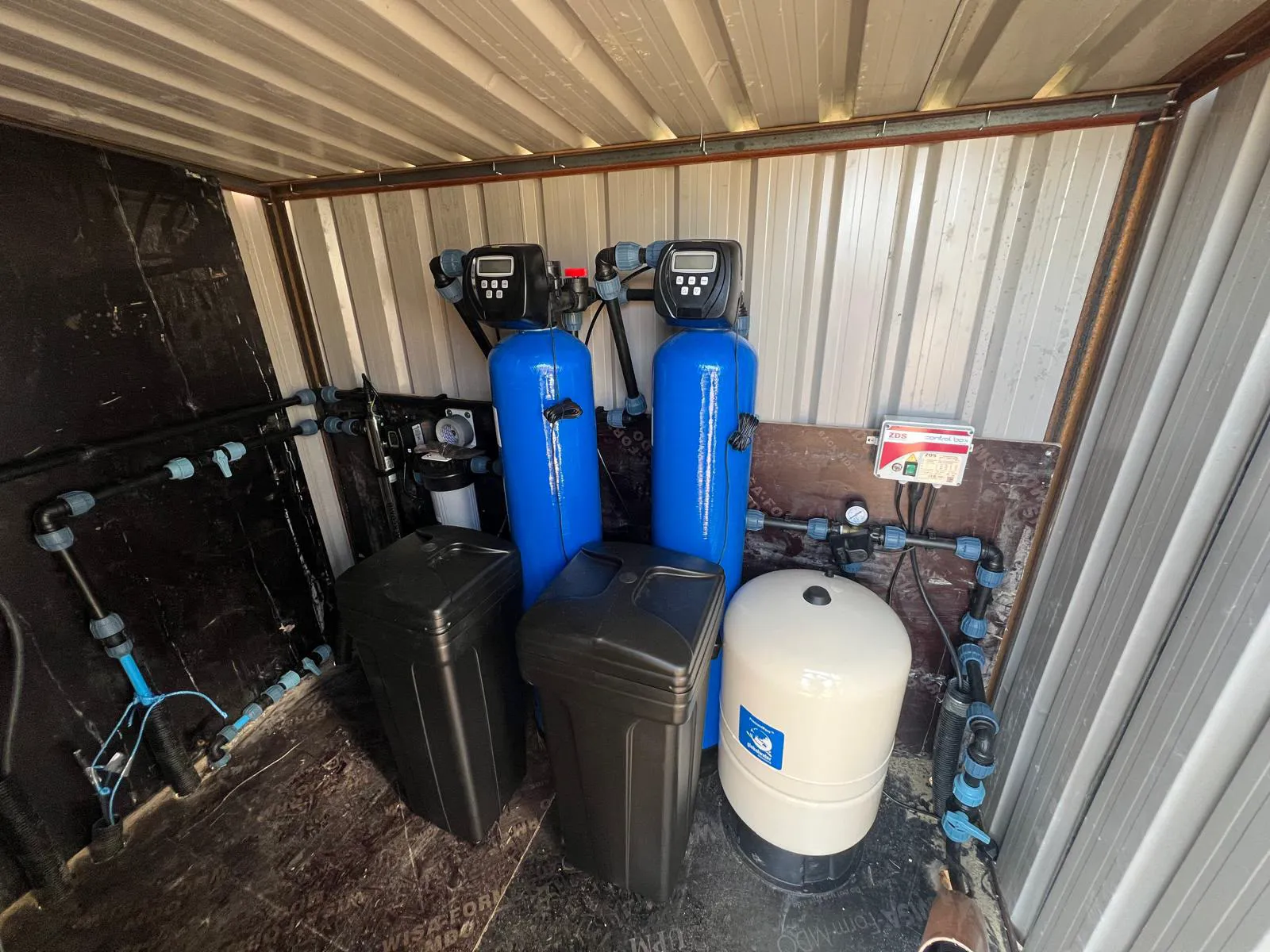
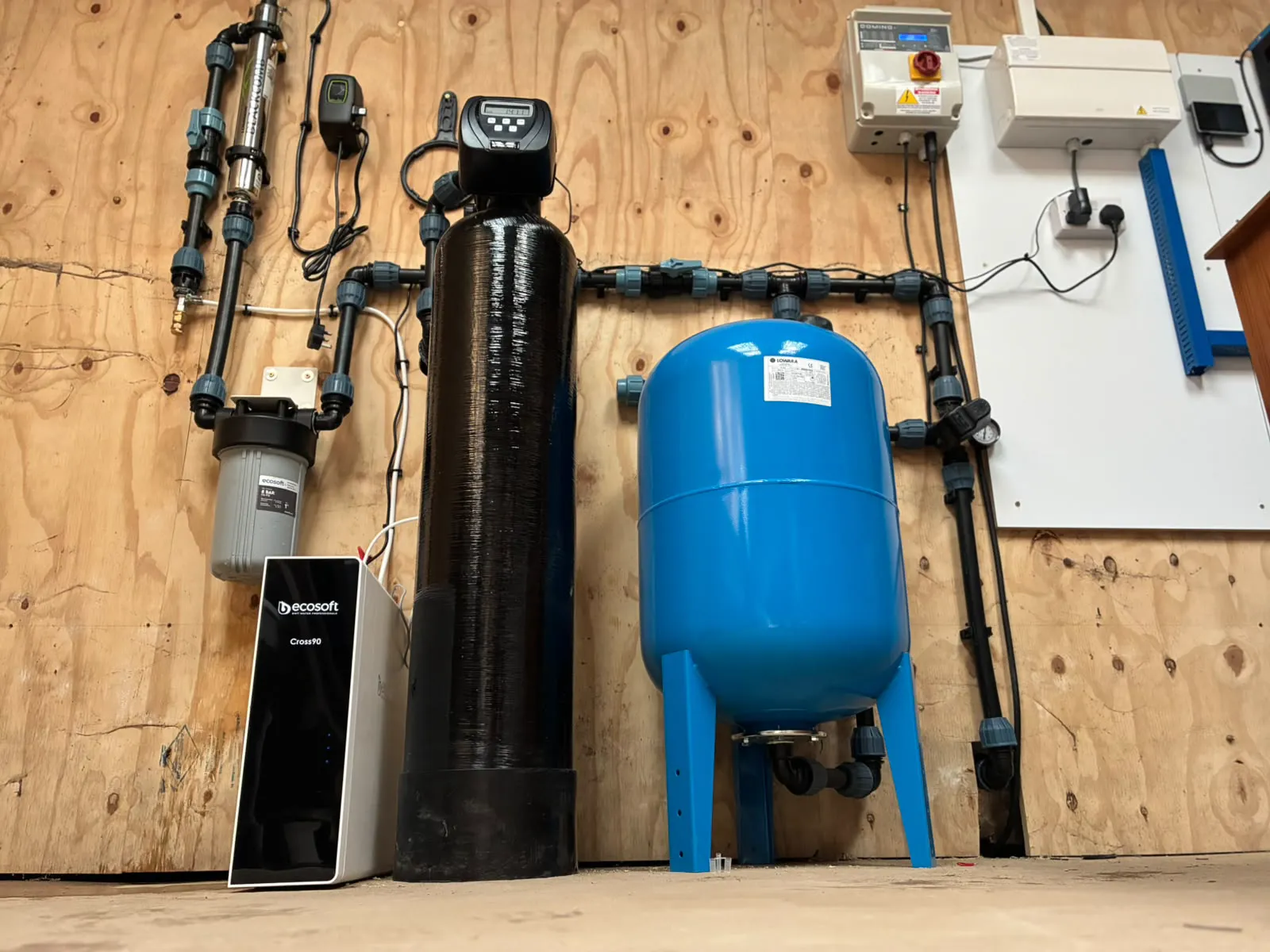
Private water treatment and filtration system

The test results shape the system that follows

Pump testing and water analysis should not sit in isolation from the rest of the project.

Once we know how much water is available and understand its characteristics, we can decide how the permanent system needs to be configured.

That may influence:

  • The permanent borehole pump
  • Pressure and control equipment
  • Water storage
  • Booster pumps
  • Filtration and treatment
  • The pressure allowed for through treatment equipment
  • How water is distributed around the property or site

This is where the individual parts become one complete Hole to Tap system.

Explore Pump & System Design

Different water needs, different system decisions

The same test information can lead to very different system designs depending on how the water will ultimately be used.

Farm water supply testing

Commercial, Farms & Estates

Higher daily usage and peak demand can make borehole yield, storage and system resilience particularly important.

Testing gives us the information needed to design around how the site actually operates.

Commercial Water Solutions

Domestic private water quality testing

Domestic

For a household supply, testing helps us understand whether the borehole can meet the property's demand and what treatment may be needed for the intended water use.

Domestic Water Solutions

Existing borehole water testing

Existing Boreholes

Testing can also be useful when an existing private supply is being reviewed, upgraded or investigated because water demand or system requirements have changed.

Repairs & Maintenance

Water sample laboratory analysis

Why Matthew B Downing?

Testing is part of the complete system

We do not treat pump testing and water analysis as isolated technical exercises. The results directly inform the pump, storage, pressure and treatment system that follows.

Quantity and quality considered together

Knowing that water exists is not enough. We need to understand how much is available and what needs to happen to it before it reaches its final use.

Independent laboratory analysis

Water samples are sent for laboratory analysis, providing factual information that can be used when deciding whether filtration or treatment is required.

From Hole to Tap

The information gathered at this stage allows us to move from a drilled borehole towards a complete working private water system.

Talk To Our Team

Already have water test results?

If you already have a recent laboratory analysis, borehole log or previous pump-test information, keep it with your private water system records.

These documents can be extremely useful when reviewing an existing system, replacing a pump, investigating water-quality issues or planning changes in water demand.

Pump Testing & Water Quality FAQs

A pump test helps us understand how a borehole performs while water is being drawn from it. This provides information about the available yield and helps us specify the permanent pump and wider water system appropriately.

Finding water during drilling does not tell us everything about how the borehole will perform in normal use. Pump testing helps establish how much water can be drawn and how the borehole responds while pumping.

The test period can vary depending on the geology, borehole conditions and what needs to be established. We allow the test to run for an appropriate period rather than applying one fixed duration to every borehole.

No. A lower-yield borehole can still be useful if the system is designed around the available water. Storage can sometimes allow water to be collected over time and then supplied at a higher rate when it is needed.

The water sample is normally taken after pump testing, once the borehole has been run and the water is suitable for representative sampling. It can then be sent for independent laboratory analysis.

The current laboratory process typically returns analysis within around 10 working days, although turnaround can vary. We can advise you on the expected timing when the sample is submitted.

Laboratory analysis provides information about the characteristics of the water. The parameters included depend on the test being carried out, and the results can then be used to identify whether filtration or treatment needs to form part of the final system.

Not necessarily. Treatment should be based on the actual water analysis and the intended use of the supply. We do not assume that every borehole needs the same filtration system.

Yes. Treatment equipment can affect pressure and flow through the system. Where treatment is required, we take this into account when designing the pump and pressure system so the complete installation works together.

Yes. Existing pump-test records, borehole logs, laboratory results and maintenance information are useful documents to keep. They can help when diagnosing problems, replacing equipment or modifying the system in the future.

Know what your borehole can provide

Pump testing and water analysis give us the information needed to move from a drilled borehole to a water system designed around your actual supply.

We can then specify the pump, pressure, storage and treatment required to take the project through to usable water.

From Hole to Tap.